If you are moving abroad, studying overseas, marrying in another country or taking a job there, you will probably be asked for apostilled documents. An apostille is the certificate that makes a U.S. public document valid in countries that belong to the Hague Apostille Convention. This guide covers which documents travelers usually need, how to get them apostilled, and how to plan the timing around your trip.
What an apostille is and when travelers need one
An apostille confirms that the signature and seal on a public document are genuine. It does not replace your passport or visa, but it is often required for the supporting documents in a visa, residency, marriage or school application.
Apostilles are accepted in Hague Convention countries, 130 contracting parties as of October 2026; see our list of apostille countries. For countries outside the convention, you need authentication and embassy legalization instead.
Note that a U.S. passport itself cannot be apostilled. Our guide on whether a U.S. passport can be apostilled explains the alternatives.
Personal documents travelers often need
Birth certificates
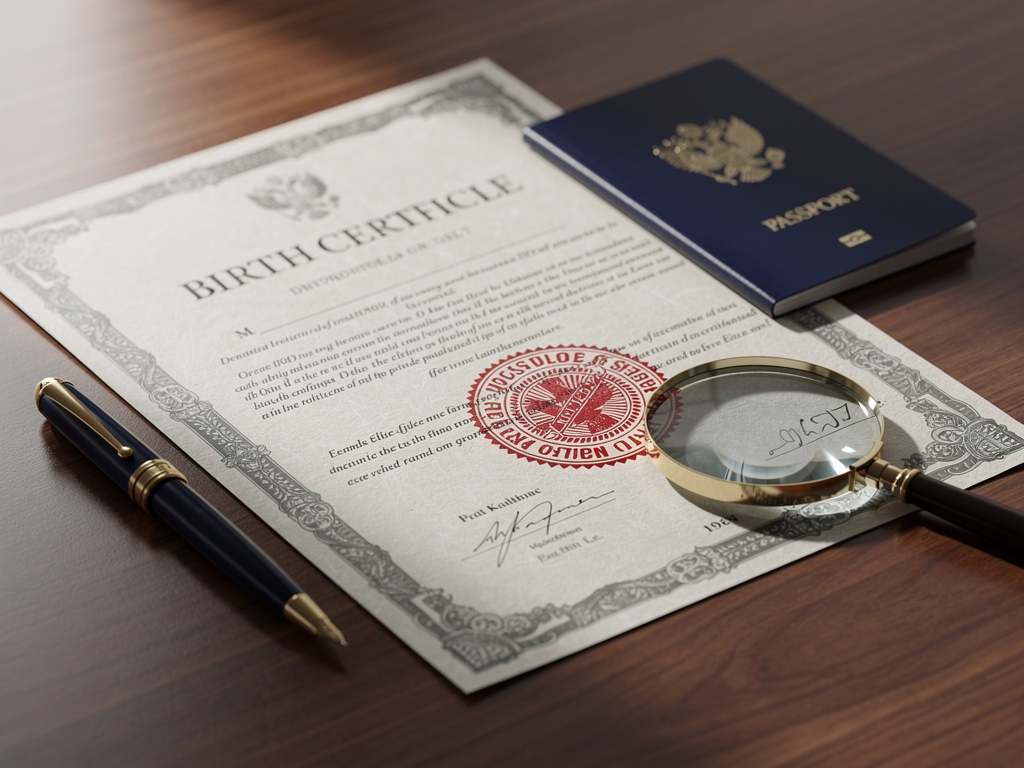
Needed for residency permits, dual citizenship, marriage abroad and family visas. You need a certified copy from the state or county where you were born, apostilled by that state. See birth certificate apostille.
Marriage and divorce records
Spousal visas and residence applications usually ask for an apostilled marriage certificate. If you were previously married, a divorce decree may also be required.
Single status documents
Marrying abroad often requires proof that you are free to marry, such as a certificate of no record of marriage or a sworn single status affidavit.
Death certificates
Needed for handling estates, pensions or bank accounts abroad, or for repatriating remains.
Education and work documents
- Diplomas and transcripts for university admission, teaching jobs and professional licensing. See transcript and diploma apostille.
- FBI background checks for work visas, teaching programs and long-term residency. These are federal documents, so they are apostilled by the U.S. Department of State. See FBI background check apostille.
- Professional licenses and employment letters, usually notarized first and then apostilled by the state.
Legal documents for property and family matters
- Powers of attorney, so someone can act for you while you are away or in the destination country. See power of attorney apostille.
- Adoption papers and custody orders for children traveling or relocating.
- Affidavits and consent letters, such as travel consent for minors.
How to plan the timing
- Get the requirements in writing from the embassy, school or employer, including how recent each document must be.
- Order fresh certified copies of vital records. Many countries want documents issued within the last three to six months.
- Allow for processing time. State apostilles are often quick, but federal apostilles take longer: the U.S. Department of State says mail-in requests take about five weeks from receipt. See our guide to FBI apostille processing time.
- Arrange translations last. Many countries want the document and the apostille translated together. See whether to translate before or after the apostille.
- Keep copies. Scan everything before you send originals anywhere.
Common mistakes to avoid
- Waiting until a few weeks before departure to start federal apostilles
- Sending a document to the wrong state; each state only apostilles its own records
- Using an old certified copy when the country requires a recent one
- Forgetting a translation requirement
More examples are in our list of common apostille mistakes.
Frequently asked questions
Do I need an apostille for a tourist trip?
Usually not. Apostilles are needed when you submit documents to foreign authorities, such as for a visa, residency, marriage, school or job.
Can I get documents apostilled after I move abroad?
Yes, but you will need someone in the U.S. to handle the documents, or you can mail them to a service. It is usually easier to finish before you leave.
How much does an apostille cost?
Government fees vary by state; the U.S. Department of State charges $20 per document. Our service fee starts at $195 for the first document and $65 for each additional one. See our pricing page.
Can you apostille documents from any state?
Yes. Each document must go to the state that issued it, and we handle filings for all 50 states. See our state apostille guides.
Start your travel paperwork early
Tell us your destination and the documents you need, and we will confirm the steps and timeline. Contact Apostille Authentications for a quote.
Related guides: Document Authentication for International Use: A Complete Guide to Apostille and Legalization · Apostille Documents: A Complete Guide to International Document Authentication